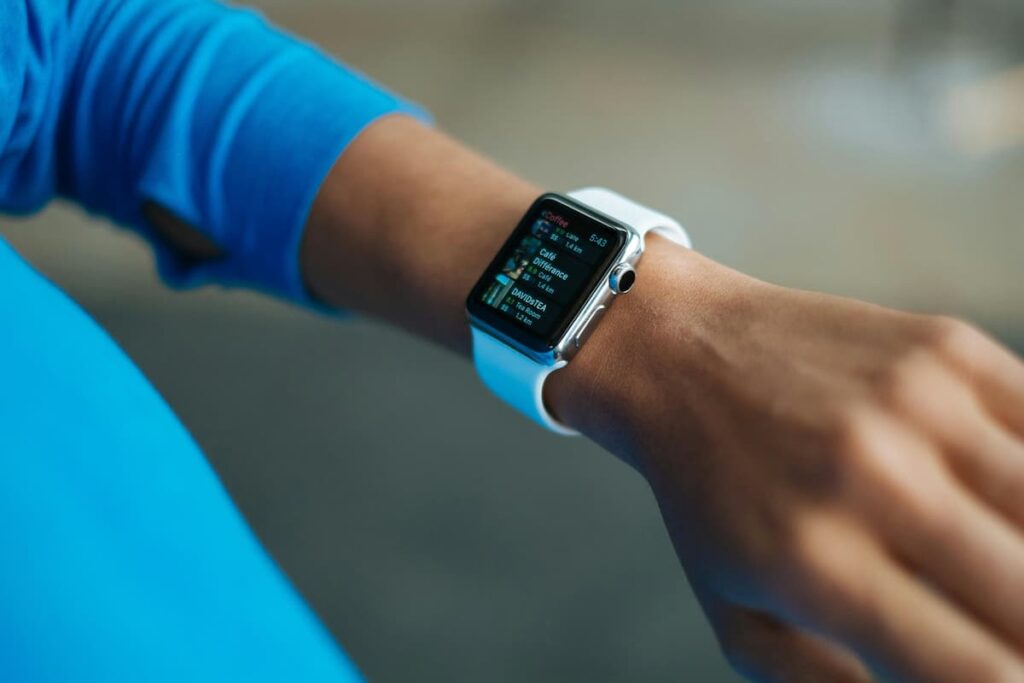
Welcome to the wellness revolution 2026. The wellness revolution is here, and it’s more personal, more intelligent, and more accessible than ever before.
Welcome to 2026—the year when your fitness tracker doesn’t just count steps, it analyzes your nervous system readiness. When AI doesn’t just suggest workouts, it adapts them in real-time based on your energy levels. When nutrition isn’t about restrictive diets, it’s about personalized plans that adjust to your unique biology.
This isn’t science fiction. It’s the new reality of health and wellness, transforming how millions of people approach fitness, nutrition, and overall well-being.
According to the American College of Sports Medicine’s (ACSM) authoritative 2026 Worldwide Fitness Trends report—based on a survey of 2,000 clinicians, researchers, and exercise professionals—wearable technology has reclaimed the #1 spot for the third consecutive year. But wearables are just the beginning of a much larger revolution happening across the entire wellness landscape.
From AI-powered fitness coaches that provide real-time form corrections to “movement snacks” that replace traditional long workouts, from nervous system training that goes beyond basic mental health to precision nutrition based on your gut microbiome—the way we think about health is fundamentally changing.
The global AI in fitness and wellness market was valued at $9.8 billion in 2024 and is projected to exceed $46 billion by 2034. Nearly half of U.S. adults now own a fitness tracker or smartwatch. And perhaps most tellingly, 78% of exercisers cite mental or emotional wellbeing as their top reason for working out—ahead of physical fitness or appearance goals.
This is the wellness revolution of 2026, and it’s not about perfection—it’s about personalization, accessibility, and meeting you exactly where you are.
Let’s explore the major trends transforming health and fitness right now, and more importantly, how you can benefit from them regardless of your fitness level, budget, or lifestyle.
THE WEARABLE TECHNOLOGY EXPLOSION
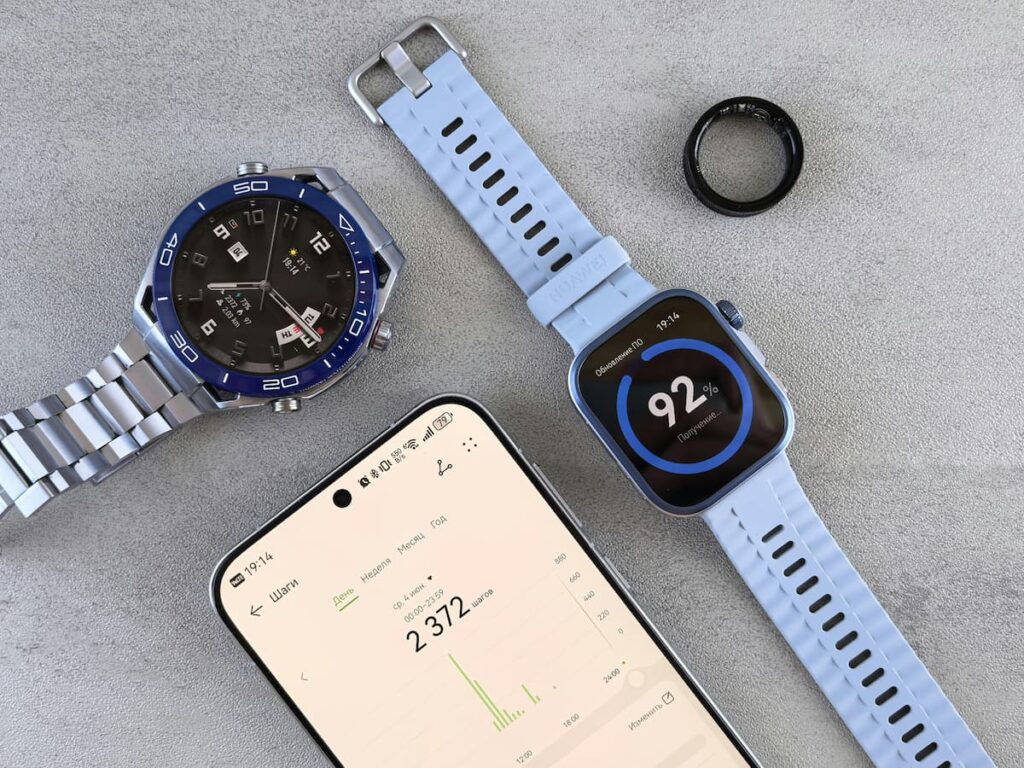
Wearable technology isn’t new, but what these devices can do in 2026 is revolutionary.
Gone are the days when fitness trackers simply counted your steps and estimated calories burned. Today’s wearables have evolved into sophisticated biosensors that capture a stunning array of health indicators: fall detection, heart rhythm abnormalities, blood pressure, blood glucose levels, skin temperature, heart rate variability (HRV), sleep stages, recovery scores, stress levels, and even menstrual cycle tracking.
“Nearly half of U.S. adults now own a fitness tracker or smartwatch, so the question is no longer whether people will use wearables,” explains Dr. Cayla R. McAvoy, ACSM-certified exercise physiologist and lead author of the 2026 trends report. “What matters now is teaching people how to use them in ways that best support their health and behavior change.”
What Makes 2026 Different
The transformation isn’t just about collecting more data—it’s about making that data meaningful and actionable.
Real-Time Biofeedback: More than 70% of wearable users now report applying their output data to inform exercise or recovery strategies. Your device can tell you in real-time whether you’re ready for an intense workout or if your body needs recovery.
Personalized Insights: Heart rate variability (HRV) and sleep patterns are shaping how people train and recover. These tools allow for personalized adjustments that improve results and reduce injury risk.
Integration Across Platforms: Wearables now sync seamlessly with fitness apps, nutrition trackers, and even medical records, creating a comprehensive picture of your health.
Advanced Biosensors: The latest devices from companies like Whoop, Oura, Apple, Garmin, and Fitbit can detect subtle changes in your physiology that indicate stress, illness onset, or optimal performance windows.
Dr. Jessica Sansone, ACSM exercise physiologist, notes that “biofeedback has become an impactful tool—allowing both clients and exercise professionals the ability to personalize exercise while gaining real-time insights to the body’s physiological response.”
The Dark Side: Data Overload
But there’s a challenge: as wearable technologies evolve, rapid innovation often outpaces validation. Not all devices are equally accurate, and the flood of data can be overwhelming rather than empowering.
The key is focusing on metrics that matter for your specific goals. If you’re training for endurance, track HRV and recovery. If you’re managing stress, focus on nervous system readiness and sleep quality. If you’re working on weight management, combine activity tracking with nutrition data.
Popular Wearables in 2026:
- Apple Watch Series 10: Comprehensive health tracking with FDA-cleared features
- Whoop 5.0: Elite recovery and strain tracking for athletes
- Oura Ring Gen 4: Discreet sleep and readiness monitoring
- Garmin Forerunner/Fenix: Advanced multisport tracking
- Fitbit Sense 3: Affordable, comprehensive health monitoring
The bottom line: Wearables are no longer optional for serious fitness enthusiasts—they’re essential tools that provide insights impossible to obtain otherwise.
AI-POWERED FITNESS COACHING: YOUR VIRTUAL PERSONAL TRAINER
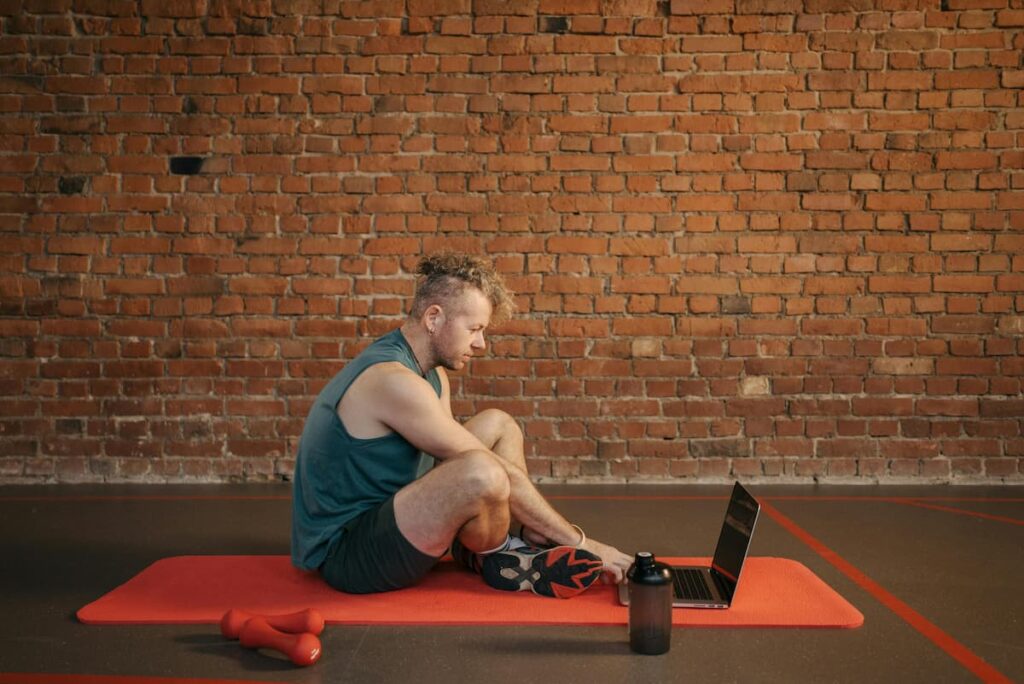
Imagine having a personal trainer who knows your fitness history, understands your current energy levels, adapts your workout in real-time, provides instant form corrections, tracks your progress, and costs a fraction of a human trainer. That’s AI fitness coaching in 2026.
The AI fitness revolution isn’t about replacing human trainers—it’s about making personalized coaching accessible to everyone, everywhere, at any time.
How AI Fitness Coaches Work
Today’s AI fitness systems are built on large language models and computer vision technology that can:
Create Personalized Workout Plans: AI analyzes your fitness level, goals, available equipment, time constraints, past injuries, and even current mood to design programs tailored specifically to you.
Provide Real-Time Form Corrections: Using your phone’s camera or smart mirrors, AI observes your movements, detects form issues, and offers instant corrections—just like a human trainer would.
Adapt on the Fly: If your wearable shows low recovery scores or high stress, your AI coach automatically adjusts workout intensity. Feeling great? It might push you harder.
Track and Predict: AI identifies patterns in your training that you might miss, predicting when you’re at risk for injury or overtraining.
Offer 24/7 Support: Have a question at 11 PM about modifying an exercise? Your AI coach is available instantly.
The Technology Behind It
AI fitness apps like Tempo, Kaia Health, and emerging platforms combine several technologies:
- Computer Vision: Watches your movements and analyzes form in real-time
- Natural Language Processing: Allows conversational interaction, answering questions in plain English
- Machine Learning: Improves recommendations as it learns your preferences and responses
- Wearable Integration: Pulls biometric data to inform workout decisions
Microsoft Copilot, Nike Training Club, and specialized platforms like SuperJacked (launching Q2 2026) are bringing AI coaching to mainstream audiences, not just elite athletes.
Real-World Applications
For Beginners: AI eliminates intimidation by starting you at exactly your level and progressing safely.
For Intermediate Exercisers: AI identifies plateaus and introduces strategic variations to drive progress.
For Advanced Athletes: AI optimizes periodization and recovery to prevent overtraining while maximizing performance gains.
For Home Exercisers: No gym? No problem. AI designs effective workouts using bodyweight, household items, or minimal equipment.
The Cost Advantage
While human personal trainers can cost $50-150+ per session, AI fitness apps typically run $10-30 per month for unlimited access. This democratization of personalized coaching is bringing professional-grade programming to millions who couldn’t otherwise afford it.
Over 50% of people surveyed said they would use AI for personal training, and it’s easy to see why: the combination of personalization, convenience, affordability, and sophistication is unprecedented.
MOVEMENT SNACKS: THE NEW APPROACH TO FITNESS

One of the most liberating wellness trends of 2026 is the shift away from the belief that you need long, dedicated workout sessions to get fit. Enter “movement snacks”—short bursts of physical activity scattered throughout your day.
Think of movement snacks like eating small, frequent meals instead of three large ones, but for exercise.
What Are Movement Snacks?
Movement snacks are brief periods of intentional physical activity lasting anywhere from 30 seconds to 5 minutes, performed multiple times throughout the day. They can be as simple as:
- 10 air squats while waiting for coffee to brew
- 30 seconds of wall push-ups between meetings
- A 2-minute walk after every hour of sitting
- 20 bodyweight lunges while on a phone call
- Calf raises while brushing your teeth
- Desk-side stretches every hour
The Science Behind Movement Snacks
Research increasingly shows that these micro-workouts accumulate to create significant health benefits:
Metabolic Boost: Brief activity bursts increase your metabolic rate multiple times per day, which may be more effective for fat metabolism than one longer session.
Blood Sugar Regulation: Movement snacks after meals help regulate blood glucose levels, particularly important for diabetes prevention and management.
Reduced Sitting Time: Breaking up prolonged sitting—which is independently harmful even if you exercise regularly—improves circulation and reduces health risks.
Lower Barrier to Entry: When you only need 2 minutes, there’s no excuse not to do it. This consistency often matters more than intensity.
Sustainable Habit Formation: It’s easier to maintain movement snacks throughout life than commit to daily hour-long gym sessions.
Movement Snacks vs. Traditional Workouts
To be clear: movement snacks don’t replace structured exercise entirely. The ideal approach combines both:
- 2-3 structured workout sessions per week for strength, cardiovascular fitness, and skill development
- Multiple movement snacks daily to reduce sitting time, maintain mobility, and accumulate additional activity
One national survey found that many people are shifting focus from appearance-driven fitness to functional fitness—movements that improve daily life performance. Movement snacks perfectly embody this philosophy.
Practical Implementation
At Work:
- Set hourly reminders to stand and move for 2 minutes
- Take walking meetings when possible
- Use stairs for movement, and snacks between floors
- Do desk exercises during phone calls
At Home:
- Movement snack during TV commercials
- Quick exercises while food cooks
- Stretching breaks between household tasks
- Play-based movement with kids or pets
Technology Support:
Many fitness apps and wearables now include “movement reminder” features that prompt you to take regular activity breaks. Apple Watch’s “Stand” reminders, for instance, embody the movement snack philosophy.
The beauty of movement snacks is that they work for everyone: desk workers combating sedentary lifestyles, busy parents with no time for gyms, older adults maintaining mobility, and even athletes enhancing their structured training.
MENTAL FITNESS & NERVOUS SYSTEM TRAINING

Perhaps the most significant shift in wellness culture is the mainstreaming of mental fitness—moving beyond treating mental illness to actively training your nervous system for resilience, stress regulation, and optimal performance.
Exercise for mental health ranked high in ACSM’s 2026 trends, with 78% of exercisers citing mental or emotional wellbeing as their top reason for working out—surpassing physical fitness or appearance goals.
Beyond “Just Relax”
Traditional mental health approaches focused on addressing problems after they arose. The 2026 approach is proactive: training your nervous system to respond optimally to stress before challenges occur.
This isn’t meditation rebranded—it’s a science-based approach to nervous system regulation that combines multiple modalities:
Heart Rate Variability (HRV) Training: Learning to influence your autonomic nervous system through breathing, visualization, and biofeedback.
Vagus Nerve Stimulation: Techniques to activate your parasympathetic “rest and digest” system, including cold exposure, humming, and specific breathing patterns.
Breathwork Protocols: Structured breathing exercises that shift nervous system states—energizing protocols for morning, calming protocols for sleep, balancing protocols for stress.
Movement for Mood: Specific exercises proven to improve mental health, like resistance training for depression and cardiovascular exercise for anxiety.
Emotional Resilience Training: Building capacity to handle stress through graduated exposure and recovery practices.
The Technology Integration
Wearables now track nervous system state through HRV, sleep quality, and stress indicators. Apps like Whoop Coach use AI to interpret this data and provide personalized recommendations for optimizing mental fitness.
For example, if your wearable detects high stress and low HRV, it might suggest:
- A breathing exercise before your workout
- Lower-intensity exercise today focused on recovery
- Extra sleep tonight
- Specific stress-management techniques
Balance, Flow, and Core Strength
The ACSM trends report highlights the renewed momentum of Pilates, yoga, and core-focused training—all of which provide both physical and mental benefits. These practices emphasize:
- Mind-body connection: Intentional movement that requires mental presence
- Breath integration: Coordinating breathing with movement
- Proprioception: Body awareness that enhances nervous system function
- Controlled challenge: Building resilience through difficulty management
These aren’t just trendy workouts—they’re evidence-based approaches to holistic wellness that address physical fitness and mental health simultaneously.
Practical Application
Morning Routine:
- 5 minutes of breathwork to start your nervous system in the optimal state
- Movement practice (yoga, stretching) to wake up the body
- Check HRV to inform your day’s intensity
Throughout the Day:
- Breathing breaks during stressful moments
- Movement snacks that double as nervous system resets
- Awareness of stress signals and proactive management
Evening Routine:
- Calming breathwork before bed
- Gentle stretching or yin yoga
- Sleep optimization based on wearable data
The integration of mental fitness into physical wellness represents one of 2026’s most important health shifts—recognizing that true wellness requires training both body and mind.
PERSONALIZED NUTRITION & GUT HEALTH REVOLUTION
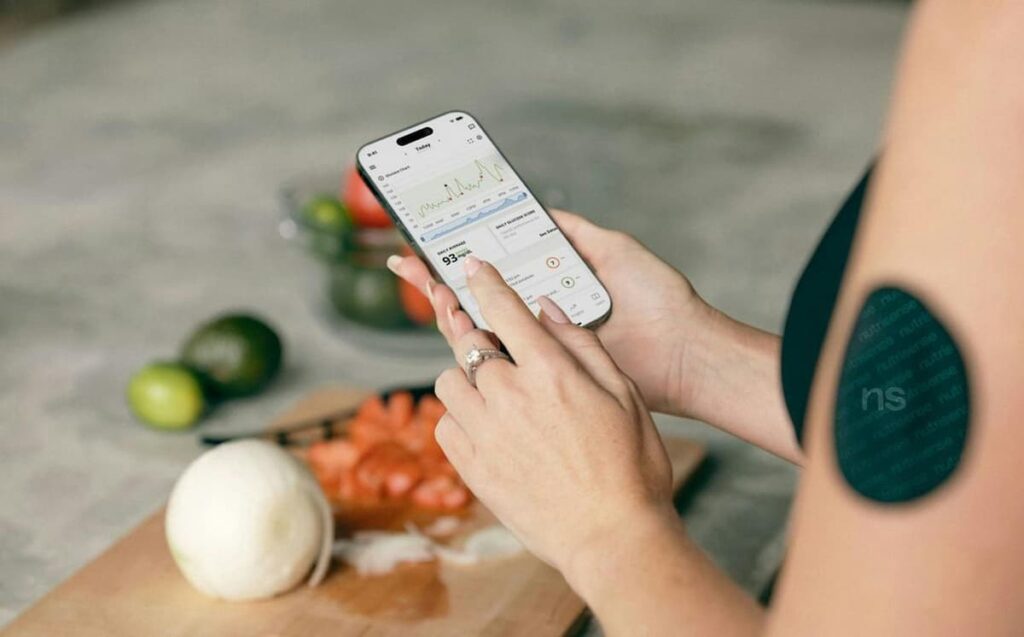
The one-size-fits-all diet is officially dead.
In 2026, nutrition has become as personalized as your workout plan, with AI analyzing your unique biology, preferences, lifestyle, and goals to create meal plans that actually work for you.
The Precision Nutrition Revolution
Gone are the days of generic “eat this, not that” advice. Today’s nutrition platforms use multiple data points to personalize recommendations:
Genetic Markers: Analysis of how your genes influence macronutrient metabolism, food sensitivities, and nutrient needs.
Gut Microbiome Testing: Understanding your unique gut bacteria composition to optimize digestion, inflammation, and even mood.
Continuous Glucose Monitoring (CGM): Real-time feedback on how specific foods affect your blood sugar, allowing precise carbohydrate timing and selection.
Activity Data: Integration with wearables to adjust nutrition based on training volume and recovery needs.
Sleep and Stress: Accounting for how these factors influence appetite, food choices, and metabolic function.
Dietary Preferences: Respecting your food likes, dislikes, cultural preferences, and ethical choices while optimizing nutrition.
AI-Powered Nutrition Coaching
Platforms like Noom, Virtuagym Nutrition Software, and emerging AI diet coaches analyze all these factors to provide:
Dynamic Meal Plans: Plans that adjust based on your schedule, workout intensity, stress levels, and even what’s in your fridge.
Photo Food Logging: Snap a picture of your meal and AI identifies ingredients, estimates portions, and logs nutrition automatically.
Real-Time Guidance: Ask questions like “What should I eat post-workout?” and get instant, personalized recommendations.
Behavior Change Support: AI identifies patterns like emotional eating or late-night snacking, offering strategies rooted in behavioral science.
Budget-Friendly Options: Meal plans that respect your financial constraints while meeting nutritional goals.
According to a study published in Nature Digital Medicine, AI diet coaches using personalized health data significantly improved metabolic health and glycemic control compared to generic diet strategies.
The Gut Health Focus
Research increasingly shows that your gut microbiome—the trillions of bacteria living in your digestive system—influences everything from digestion and immunity to mood and weight management.
In 2026, personalized nutrition often begins with microbiome testing that identifies:
- Which foods your unique gut bacteria thrive on
- Inflammatory triggers specific to your biology
- Probiotic and prebiotic needs
- How to optimize gut-brain axis function
This level of personalization explains why the same diet works brilliantly for one person and fails completely for another—we literally have different internal ecosystems.
Practical Implementation
Start Simple:
- Use photo-logging apps to understand your current nutrition patterns
- Notice how different foods affect your energy, mood, and performance
- Gradually incorporate personalized recommendations
Intermediate Steps:
- Consider continuous glucose monitoring to understand your carbohydrate response
- Work with AI nutrition apps that provide increasingly personalized guidance
- Experiment with gut-friendly foods and track effects
Advanced Personalization:
- Invest in comprehensive microbiome testing
- Consider genetic testing for nutrition insights
- Use AI platforms that integrate all your data
The key insight: nutrition isn’t about willpower or restriction—it’s about discovering what works uniquely for your body and lifestyle.
LONGEVITY TECH: CES 2026 HIGHLIGHTS
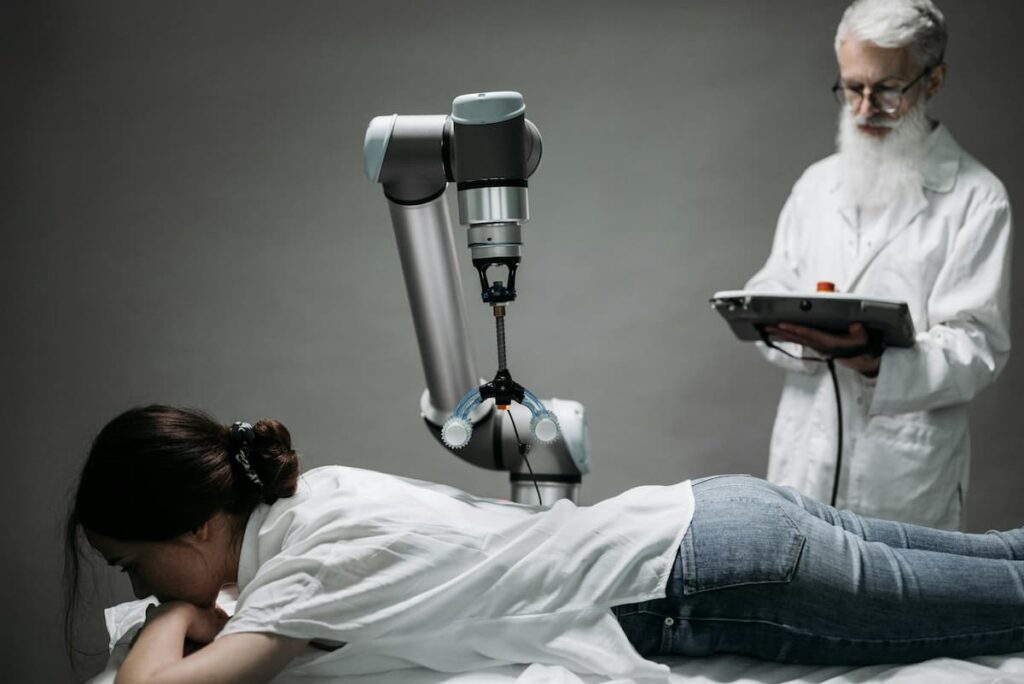
The Consumer Electronics Show (CES) 2026 showcased the bleeding edge of health technology, revealing where wellness is headed next.
Emerging Technologies
AI-Powered Longevity Mirrors: Full-length smart mirrors that use computer vision to analyze posture, movement patterns, and body composition changes over time, providing actionable feedback on functional aging.
Non-Invasive Continuous Monitoring: Next-generation sensors that track biomarkers like blood glucose, hydration, and even blood pressure without needles or cuffs.
Personalized Supplement Dispensers: Devices that create custom supplement blends based on your wearable data, recent meals, and current health status.
Sleep Optimization Systems: Advanced mattresses and bedroom environments that adjust temperature, humidity, and sound based on your sleep stages in real-time.
Recovery Technology: Compression systems, red light therapy devices, and cold plunge alternatives optimized for home use.
The Longevity Focus
What unites these innovations is a shift from treating disease to extending healthspan—the number of years you live in good health.
This includes:
- Strength training technology focused on bone density and muscle preservation
- Cognitive training games that maintain brain health
- Social fitness platforms that combat isolation (a major longevity risk factor)
- Metabolic health monitors that catch issues decades before disease
The message: technology is making preventive health and longevity optimization accessible to everyone, not just wealthy biohackers.
HOW TO GET STARTED WITH THESE TRENDS
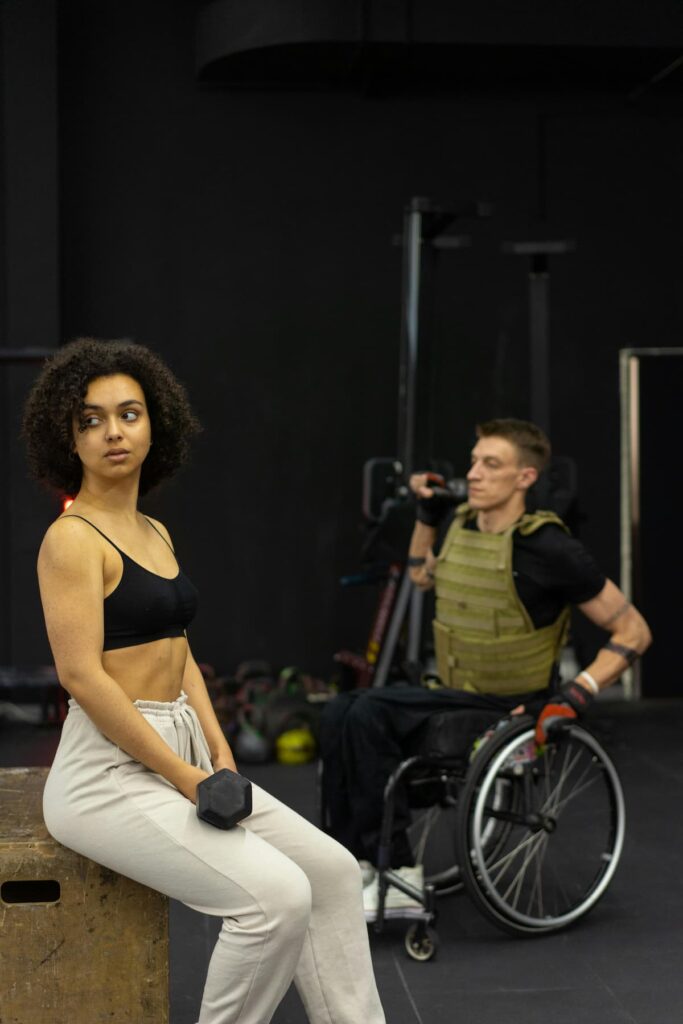
The wellness revolution sounds exciting, but how do you actually incorporate these trends without getting overwhelmed or breaking the bank?
Step 1: Start with What You Have
You don’t need expensive equipment to benefit from 2026’s wellness trends:
Movement Snacks: Require zero equipment and zero cost. Start tomorrow.
Mental Fitness: Free breathwork and meditation apps like Insight Timer provide professional-grade guidance.
Basic Tracking: Your smartphone has built-in step counters and basic activity tracking.
Step 2: Choose One Focus Area
Don’t try to implement everything at once. Pick the trend that resonates most:
- Want accountability and data? → Start with a basic wearable
- Prefer guided workouts? → Try an AI fitness app
- Interested in nutrition? → Begin with photo food logging
- Need stress management? → Focus on nervous system training
- Short on time? → Embrace movement snacks
Step 3: Leverage Technology Intelligently
Budget-Friendly Tech Stack:
- Wearable: Fitbit Inspire or Xiaomi Mi Band ($50-100)
- AI Fitness: Nike Training Club or free Fitbudd trial (Free-$15/month)
- Nutrition: MyFitnessPal or photo-logging apps (Free-$10/month)
- Mental Fitness: Insight Timer or Headspace ($0-13/month)
- Total Monthly Cost: $0-40 for comprehensive wellness support
Mid-Range Investment:
- Wearable: Apple Watch SE or Garmin Forerunner ($250-400)
- AI Fitness: Premium apps with form tracking ($20-40/month)
- Nutrition: AI-powered personalized plans ($30-50/month)
- Total: $350-500 upfront, $50-90/month ongoing
Advanced Setup:
- Wearable: Whoop 5.0 or Oura Ring Gen 4 ($300-500)
- Comprehensive AI: Full coaching platforms ($50-100/month)
- Precision Nutrition: Microbiome testing + AI coaching ($200 initial + $50/month)
- Total: $500-700 upfront, $100-150/month ongoing
The key insight: you can participate meaningfully in the wellness revolution at virtually any budget level.
Step 4: Focus on Consistency Over Perfection
The best wellness routine is the one you’ll actually maintain. A simple routine done consistently beats a perfect routine done sporadically.
Minimal Effective Dose:
- 3 structured workouts per week
- Movement snacks daily
- 8 hours of sleep per night
- Mindful nutrition (doesn’t require perfect tracking)
- Weekly stress management practice
This basic approach delivers 80% of the benefits with 20% of the complexity.
COST-EFFECTIVE OPTIONS FOR EVERY BUDGET
Let’s be specific about how to access these wellness trends without breaking the bank:
FREE Options
AI Fitness Coaching:
- Nike Training Club (completely free, comprehensive workouts)
- YouTube fitness channels with AI-assisted recommendations
- FitBod free trial with smart workout generation
Mental Fitness:
- Insight Timer (the largest free meditation library)
- Free breathwork resources and tutorials
- YouTube yoga and mindfulness content
Nutrition:
- MyFitnessPal free version for basic tracking
- Cronometer for detailed nutrient analysis
- Free meal planning templates online
Movement Snacks:
- Literally free—requires only your body and willingness
Budget-Friendly ($0-50/month)
Basic Wearable: Xiaomi Mi Band or Amazfit Bip ($30-50 one-time)
Fitness App: Basic subscription to Fitbod or Strong ($10/month)
Nutrition App: MyFitnessPal Premium or Lose It ($10/month)
Mental Fitness: Headspace or Calm subscription ($13/month)
Total: $80 one-time setup + $33/month ongoing
Mid-Range ($50-100/month)
Better Wearable: Fitbit Charge or Apple Watch SE ($150-250 one-time)
AI Fitness: Tempo Studio or Mirror membership ($40/month)
Comprehensive Nutrition: Noom or personalized coaching ($60/month)
Recovery: Basic massage gun or foam roller ($50 one-time)
Total: $200-300 setup + $100/month ongoing
Premium ($100+/month)
Elite Wearable: Whoop 5.0 or Oura Ring ($400 one-time + $30/month membership)
Professional AI Coaching: Personalized program with human oversight ($100/month)
Precision Nutrition: Microbiome testing + AI coaching ($200 test + $80/month)
Recovery Technology: Red light therapy, cold plunge, advanced tools ($500-2000 one-time)
Total: $1000+ setup + $200+/month ongoing
The truth: You can achieve excellent results at any price point. The expensive options provide marginal improvements over well-executed basics.
WHAT TO WATCH IN THE COMING MONTHS
The wellness revolution of 2026 is just beginning. Here are developments to watch throughout the year:
Q2 2026
AI Fitness Maturation: Expect major launches of AI coaching platforms with improved computer vision and personalization (like SuperJacked and similar apps).
Wearable Advances: New devices with improved accuracy, longer battery life, and novel sensors (possibly non-invasive glucose monitoring going mainstream).
Q3 2026
Nutrition Innovation: Expect advances in at-home microbiome testing kits and integration with AI nutrition platforms.
Mental Fitness Growth: More employers offering mental fitness benefits and subsidized apps as a workplace wellness priority increases.
Q4 2026
Holiday Tech: CES 2027 previews in late 2026 will showcase next-generation wellness technology.
Year-End Data: Expect research publications on the effectiveness of AI coaching, wearable interventions, and personalized nutrition approaches.
Ongoing Trends to Track
Regulatory Developments: FDA oversight of health claims from wearables and AI health apps will likely increase.
Data Privacy: Watch for new regulations around health data collection, ownership, and sharing.
Insurance Integration: Some insurers may begin offering discounts for verified healthy behaviors tracked via wearables.
Clinical Integration: Expect continued growth in physicians prescribing wearables and exercise programs via formal “Exercise is Medicine” initiatives.
Social Fitness: Adult recreation leagues, community fitness groups, and pickleball continue growing as social wellness options.
CONCLUSION: THE DEMOCRATIZATION OF WELLNESS
The 2026 wellness revolution isn’t about perfection, extreme discipline, or expensive gadgets. It’s about accessibility, personalization, and meeting people where they are.
For the first time in history, everyone has access to tools and insights that were previously available only to elite athletes and the wealthy:
- Wearable technology provides biometric data that was once exclusive to sports science laboratories
- AI coaching delivers personalized programming that rivals professional trainers at a fraction of the cost
- Movement snacks prove fitness doesn’t require gym memberships or hour-long sessions
- Mental fitness training moves from clinical treatment to proactive wellness for everyone
- Personalized nutrition becomes accessible through AI rather than expensive dietitians
Dr. Cayla R. McAvoy summarizes it perfectly: “We’ve seen dramatic changes in fitness trends over the last two decades. Over the years, we’ve seen fitness trends tied to childhood obesity, online training during the COVID pandemic, addressing mental health, the rise of fitness technology, medically integrated programs, and active aging.”
The common thread? Wellness is becoming more inclusive, more personalized, more science-based, and more integrated into daily life.
The key takeaways for 2026:
- Wearables are essential for data-driven fitness, not optional accessories
- AI coaching democratizes personalized training for everyone
- Short, frequent movement beats long, sporadic workouts for most people
- Mental fitness training is as important as physical fitness
- Nutrition personalization based on your unique biology works better than generic diets
- Technology enables wellness at every budget level
- Consistency and personalization trump perfection and intensity
The wellness revolution isn’t coming—it’s here. The question isn’t whether to participate, but how you’ll make these tools work for your unique situation, goals, and lifestyle.
What matters most isn’t having the newest technology or following every trend. What matters is finding the combination of tools, practices, and approaches that you’ll actually use consistently to support your health.
As one fitness professional noted, “The biggest takeaway from the 2026 fitness trends is awareness, not wearable technology or artificial intelligence. People are learning to ask better questions, seek environments that support them, and choose exercise that meets their specific needs.”
That’s the real revolution: empowering people to take ownership of their health in ways that are sustainable, enjoyable, and effective.
Your next steps:
- Choose ONE trend that resonates with you
- Start with the free or low-cost version
- Give it 30 days of consistent practice
- Add complexity only if needed
The wellness revolution is for everyone—including you.
Which wellness trend are you most excited to try? Share your thoughts in the comments below, and let us know what’s working for you!
Want to stay updated on the latest wellness trends? Subscribe to Get 2 Know Arena’s newsletter for weekly insights on health, fitness, technology, and more.
Related Reading:
- 10 Trends Shaping 2026: What You Need to Know Right Now (See Trend #2: Mental Health Goes Mainstream)
- Welcome to Get 2 Know Arena: Your Hub for Everything That Matters
REFERENCES & FURTHER READING
American College of Sports Medicine (ACSM):
- ACSM 2026 Worldwide Fitness Trends Report: https://www.acsm.org/top-fitness-trends-2026/
- ACSM Health & Fitness Journal: https://journals.lww.com/acsm-healthfitness/
- ACSM Exercise is Medicine Initiative: https://www.acsm.org/education-resources/trending-topics-resources/acsm-fitness-trends/
Wearable Technology Research:
- Athletech News (Industry Analysis): https://athletechnews.com
- ResearchGate (Academic Studies): https://www.researchgate.net
- Technogym Research (Equipment & Technology): https://www.technogym.com
AI Fitness & Technology:
- Orangesoft (AI in Fitness Industry Report): https://orangesoft.co/blog/ai-in-fitness-industry
- Virtuagym (AI Trends for Gyms): https://business.virtuagym.com/blog/ai-trends-gyms/
Nutrition & Personalized Health:
- Nature Digital Medicine (Research Studies): https://www.nature.com/natdigitalmed/
Industry Analysis & Trends:
- Men’s Journal Fitness Coverage: https://www.mensjournal.com/health-fitness/
Disclaimer: This article is for informational purposes only and does not constitute medical advice. Always consult with a qualified healthcare provider before starting any new fitness, nutrition, or wellness program. Individual results may vary. Get 2 Know Arena is not responsible for any injuries or health issues that may arise from implementing the information in this article.